The Allure of Risk and Reward
The fundamental attraction of casino gaming lies in the inherent risk-and-reward mechanics that engage the human psyche. Players often experience a rush of excitement when placing bets, driven by the potential for significant financial gain. This adrenaline rush can mimic the feelings associated with other high-stakes activities, leading to a heightened state of arousal. For those looking to enhance their experience, they may want to simulate the thrill of the game from the comfort of home, as the promise of a big win serves as a powerful motivator, creating a compelling cycle where players are driven to return for more, despite the odds often being stacked against them.
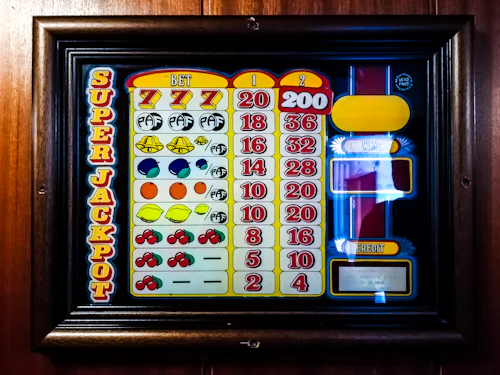
This psychological attachment to risk can be explained through the lens of behavioral economics, where the potential for loss is often perceived as more significant than the prospect of equivalent gain. This phenomenon may lead individuals to chase losses, resulting in more frequent and intensified gaming sessions. It highlights a critical aspect of gambling behavior: the concept of loss aversion. Players may throw good money after bad in hopes of reclaiming what they’ve lost, creating a potentially harmful cycle that can lead to financial ruin.
Moreover, the social environment of casinos enhances this allure. The presence of fellow players, the sounds of slot machines, and the thrill of shared experiences amplify the excitement of gambling. Social interactions can stimulate a sense of community and support among players, further encouraging them to engage in gaming behavior. The collective experience often overshadows the individual risk, making it easier for players to overlook the negative consequences associated with their gambling habits.
The Role of Cognitive Biases
Cognitive biases play a significant role in how players perceive their chances of winning in casino games. One common bias is the “gambler’s fallacy,” where individuals believe that past events can influence future outcomes in games of chance. For example, a player might think that a certain slot machine is “due” for a win if it hasn’t paid out recently, leading them to invest more money into it. This misconception can lead to overconfidence and excessive gambling, ultimately resulting in detrimental financial and emotional consequences.
Another critical bias is the illusion of control, where players believe they can influence the outcome of a game through skill or strategy, even in predominantly luck-based games. This belief is especially prevalent in games like blackjack or poker, where players perceive their decisions as directly affecting the game’s outcome. Such perceptions can create a false sense of security, leading to prolonged gaming and increased spending, despite the random nature of many casino games. This can trap players in a cycle of unrealistic expectations and financial loss.
Furthermore, availability heuristics can affect players’ perceptions of winning probabilities. When individuals recall past wins or hear about others’ successes frequently, they may overestimate their chances of winning. This bias can be fueled by marketing strategies employed by casinos, which often highlight big wins, emphasizing the allure of jackpot moments while downplaying the reality of losses. This manipulation of perception reinforces a cycle where players continually return, blinded by the potential for success that is often unattainable.
Emotion and Decision-Making in Gambling
A significant component of casino gaming psychology is the emotional response players experience during their gambling activities. The thrill of winning can trigger the release of dopamine, a neurotransmitter associated with pleasure and reward, reinforcing the desire to gamble. This chemical reaction creates a feedback loop where players continually seek the ‘high’ that comes with winning, making it difficult for them to stop, even when they have lost more than they intended. The emotional highs can become addictive, leading to a compulsive gaming habit.
Conversely, losses can evoke feelings of frustration, sadness, or anger, leading players to gamble more in an attempt to alleviate these negative emotions. This emotional rollercoaster can cloud judgment and decision-making, pushing players to make impulsive bets or chase losses in a desperate attempt to recapture their prior state of happiness. The unpredictability of gaming outcomes exacerbates these feelings, creating an environment ripe for irrational behavior and poor decision-making.
Even the design of casino games and environments can manipulate emotional responses. Bright lights, engaging sounds, and celebratory announcements of wins all work to create a positively charged atmosphere, making it challenging for players to recognize their emotional states while they are gambling. Casinos often employ these tactics to create a sensory-rich experience that encourages longer play sessions, capitalizing on the emotional highs and lows to keep players engaged. Understanding this dynamic is crucial for recognizing the psychological strategies that drive casino gaming behavior.
The Impact of Environment and Design
The physical design and ambiance of a casino significantly influence players’ experiences and decisions. Casinos are meticulously crafted to create an enticing atmosphere that stimulates gaming behavior. From the layout of gaming machines to the placement of amenities like restaurants and bars, every aspect is designed to encourage players to stay longer and spend more. The absence of clocks and windows creates a disorienting effect, making it easy for players to lose track of time and forget their initial intentions. This manipulation of the environment plays a crucial role in encouraging extended gaming sessions.
Additionally, the sounds associated with gaming contribute to the overall experience. The ringing of coins, celebratory music, and the cheers from other players can create an uplifting environment that amplifies excitement. These auditory cues serve to reinforce the idea that winning is within reach. This carefully curated environment capitalizes on sensory stimulation, drawing players deeper into the gaming experience and facilitating extended play. The overall atmosphere fosters a sense of euphoria, which can keep players engaged longer than they initially intended.
Moreover, casinos often employ strategies to encourage social interaction among players. Group games, communal gaming areas, and social media integration make the gaming experience more enjoyable and engaging. This social aspect can reduce feelings of isolation and enhance the fun associated with gambling, even as it may contribute to more significant financial spending. Recognizing the profound impact of casino design on player psychology is crucial in understanding the broader implications of gambling behaviors, as it highlights how environment can shape choices and experiences.
Insights into Responsible Gaming and Resources
Understanding the psychology behind casino gaming also sheds light on the importance of responsible gaming practices. Recognizing the emotional and cognitive biases at play can empower individuals to make more informed decisions. Education about the risks associated with gambling is essential for mitigating potential negative impacts on mental health and financial stability. Many casinos and online platforms increasingly incorporate responsible gaming measures, providing resources to help players maintain control over their gaming habits and mitigate the risks associated with impulsive decisions.
Moreover, various support systems exist to assist individuals struggling with gambling addiction. Organizations offer counseling, hotlines, and educational programs designed to foster understanding of the risks and promote responsible gaming. Awareness campaigns can also play a vital role in educating players about the signs of problematic gambling behavior. By raising awareness of these resources, players can take proactive steps to safeguard their well-being while still enjoying the entertainment value of casino gaming.
Ultimately, a deeper understanding of the psychology behind gambling can lead to a healthier relationship with gaming. Individuals can enjoy the thrill of the game while minimizing the risks associated with excessive gambling. Engaging in conversations about mental health, emotional regulation, and responsible gaming can foster a safer and more enjoyable gaming environment for all. By prioritizing education and responsible practices, the gaming community can work together to create a balanced approach to entertainment.